I Ditched My Corner Pharmacy and Saved $2,000 Last Year — Here's Exactly How I Did It
The Moment I Realized Something Was Off
It started with a receipt I almost threw away.
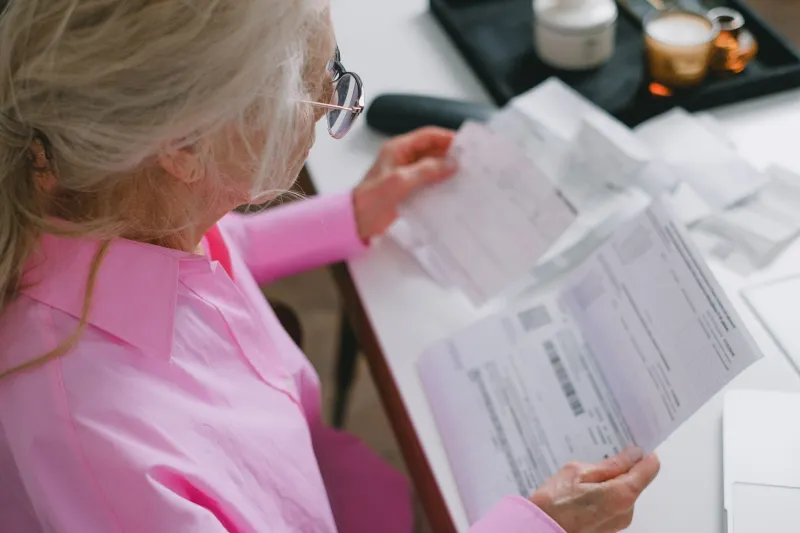
I was picking up my monthly prescriptions — the usual trio for blood pressure, cholesterol, and a thyroid condition I've managed for over a decade — and the total came to $187. Not unusual for me. I'd been paying somewhere in that neighborhood for years. But that day, for whatever reason, I actually looked at the itemized list.
One of those medications, a generic I'd been taking for eight years, was listed at $64. I happened to mention it to a coworker the next morning. She laughed. Not unkindly — more like the laugh you let out when something is absurd. She was getting the same drug through an online pharmacy for $11.
That $53 difference, multiplied across three medications, multiplied across twelve months? It added up to just over $2,000 a year I'd been leaving on the table.
I'm not a careless person with money. I clip coupons. I comparison shop for flights. But somehow, I'd never once questioned what I was paying at the pharmacy. Most of us don't. We just hand over the card.
Why Big-Box Pharmacies Charge What They Charge
Here's the thing: your neighborhood chain pharmacy isn't necessarily trying to rip you off. But their pricing model was built around a system — insurance negotiations, middlemen called pharmacy benefit managers, and retail overhead — that doesn't always work in your favor, especially if you're paying cash, have a high-deductible plan, or are in that messy coverage gap period.
Generic drugs, by law, have to meet the same safety and efficacy standards as their brand-name counterparts. The active ingredient is identical. What varies wildly is the markup. And that markup differs enormously depending on where you buy.
Online pharmacies that specialize in generics operate on a fundamentally different model. Lower overhead, direct sourcing, and a customer base that's specifically looking for value means they can — and do — charge a fraction of what traditional retail pharmacies bill.
Real Numbers: What the Same Drugs Cost at Different Places
Let's get specific. Here's how a few common chronic condition medications can shake out across different pharmacy types (prices are approximate cash-pay estimates and will vary by location and time):
Lisinopril 10mg (30-day supply, for blood pressure)
- Big-box retail chain: $18–$35
- Online generic pharmacy: $4–$9
Atorvastatin 20mg (30-day supply, for cholesterol)
- Big-box retail chain: $25–$55
- Online generic pharmacy: $8–$14
Levothyroxine 50mcg (30-day supply, for thyroid)
- Big-box retail chain: $22–$45
- Online generic pharmacy: $6–$12
Now do the math on all three combined over 12 months. The difference between the high end of retail and the low end of online generics can easily exceed $700–$900 for just those three medications. Add in two or three more scripts and you're looking at four-figure annual savings without changing a single thing about your treatment.
Are You Overpaying? A Quick Decision Guide
Not everyone is in the same boat, so here's a simple way to figure out where you stand:
Step 1: Do you take at least one medication regularly? If yes, keep going. If you only fill prescriptions occasionally, the savings are smaller but still worth exploring.
Step 2: Are any of your medications available as generics? You can check this quickly by searching the drug name on the FDA's generic drug database or just Googling "[drug name] generic available." Most common chronic condition drugs have had generics on the market for years.
Step 3: What are you actually paying per month? Pull up your last three pharmacy receipts. Add up what you spent out-of-pocket — including what your insurance paid if you can get that info from your Explanation of Benefits. Now look up the same medications on a reputable online generic pharmacy. Compare.
Step 4: Is the difference more than $30/month per medication? If yes, you're almost certainly overpaying. That's the threshold where switching starts to make a meaningful annual dent.
Step 5: Do you need same-day access? This is the one real tradeoff with online pharmacies: shipping time. If you're managing a chronic condition and can plan ahead with 90-day supplies, this is rarely an issue. If you occasionally need a prescription filled the same afternoon, you may want to keep a local pharmacy as a backup for urgent situations.
How to Make the Switch Without Disrupting Your Care
A lot of people hesitate because they're worried about the logistics. What about their doctor? Their insurance? Their medication history? The good news is that switching pharmacies is genuinely not complicated. Here's how to do it cleanly:
Talk to your doctor's office first. Let them know you're switching to an online pharmacy and ask them to send your prescription there electronically. Most online pharmacies have a straightforward process for this, and your doctor's office has done it hundreds of times.
Request a 90-day supply. This is the move that maximizes your savings. Most online pharmacies offer significant per-pill discounts when you order a three-month supply instead of monthly. It also reduces shipping hassles.
Don't cancel your old pharmacy immediately. Keep your account active for a month or two while you get comfortable with the new setup. That way, if there's any hiccup in timing, you have a fallback.
Set a refill reminder. Online ordering means you're in charge of the timing. Put a recurring calendar reminder two weeks before you expect to run out. This is the one habit change that trips people up most.
Check your insurance compatibility. Some online pharmacies work directly with insurance; others are cash-pay only. If cash-pay prices are still lower than your copay (which happens more than you'd think), you may not need to involve insurance at all.
The Compounding Effect Nobody Talks About
Here's what really got me: it's not just the monthly savings. It's the compounding effect over years.
If I'd made this switch five years earlier, I'd have an extra $10,000 in my pocket right now. That's not a rounding error. That's a used car. That's a year of college tuition contributions. That's a real financial difference in a real person's life.
Chronic conditions are called chronic for a reason — they don't go away. That means the medications that manage them are a permanent line item in your budget. Which means the pharmacy where you fill those prescriptions is one of the most financially consequential recurring decisions you make, even if it never feels that way.
One Last Thing
I'm not saying every online pharmacy is identical or that switching is right for every single situation. Do your homework, read reviews, and make sure any pharmacy you use is licensed and verified. But for the overwhelming majority of people managing common chronic conditions with generic medications, the status quo — paying retail prices at a big-box chain out of sheer habit — is costing real money.
My $187 monthly bill is now $54. Same drugs. Same doses. Same me.
The only thing that changed was where I ordered them.