How Telehealth Platforms Are Quietly Demolishing the Brand-Name Prescription Markup
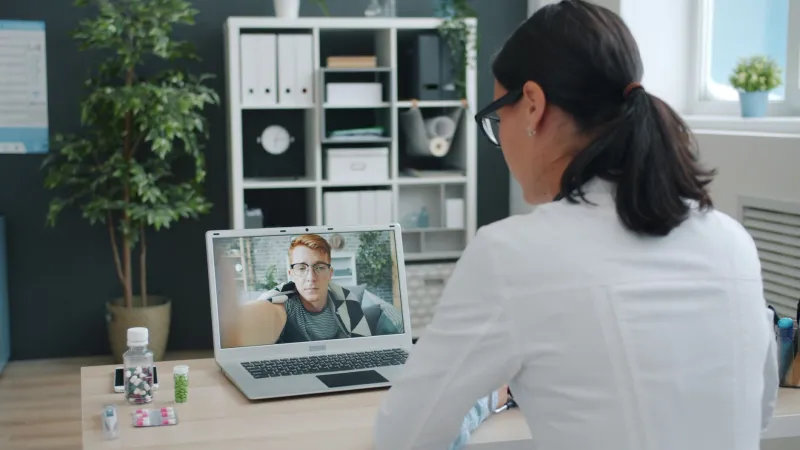
For decades, the standard script for getting a prescription in America looked like this: drive to a doctor's office, wait 45 minutes past your appointment time, spend seven minutes with a physician, get handed a brand-name prescription you didn't ask for, drive to a pharmacy, and hand over anywhere from $40 to $400 depending on your insurance situation. The system wasn't designed around your wallet. It was designed around habit, convenience for prescribers, and the persistent influence of pharmaceutical sales representatives.
Telehealth is quietly rewriting that script — and generic medications are at the center of the story.
The Traditional Prescription Pipeline Has a Built-In Markup
To understand why telehealth matters for drug costs, you first need to understand why the traditional model inflates them.
Physicians in traditional practice environments are, consciously or not, influenced by brand-name familiarity. Pharmaceutical companies spend approximately $6 billion annually marketing directly to healthcare providers in the US — through rep visits, sponsored lunches, conference presentations, and sample programs. When a doctor reaches for their prescription pad, the brand names they've been repeatedly exposed to often come to mind first.
Additionally, most traditional prescribers write for a drug by name, not by therapeutic category. A physician writing "Lexapro" instead of "escitalopram" may not intend to cost you more money — they may simply be writing what they know. The problem is that Lexapro can run $300–$400 per month without solid insurance coverage, while generic escitalopram can be purchased for under $15 at a discount pharmacy.
That gap — $285 to $385 per month, for the same molecule — is what telehealth is starting to close.
How Virtual Clinics Default to Generic-First Prescribing
Telehealth platforms built in the last decade operate under fundamentally different constraints than traditional practices. They're often staffed by clinicians who work across multiple states, see higher patient volumes, and operate on streamlined digital workflows. Many have built their entire value proposition around price transparency and affordability.
The result is a prescribing culture that trends toward generics by default, for several concrete reasons:
No pharmaceutical rep access. Virtual-first clinics typically don't allow drug company representatives into their prescriber workflows. Without the brand-name familiarity drumbeat, clinicians lean on clinical evidence — which, for most common conditions, supports generic efficacy just as strongly as brand-name alternatives.
Integrated pharmacy partnerships. Platforms like Hims & Hers, Ro, Done, Cerebral, and others have built direct relationships with mail-order pharmacies or operate their own dispensing arms. This allows them to display actual drug prices during the consultation and route prescriptions to the most cost-effective fulfillment option automatically.
Patient acquisition through price. Unlike a traditional practice that relies on insurance reimbursements and referrals, many telehealth platforms compete directly for patients on cost. Advertising a $15/month generic antidepressant versus a $350 brand-name alternative is a marketing advantage that naturally incentivizes generic-first prescribing.
Real Cost Comparisons Across Common Conditions
The price differences become stark when you look at specific therapeutic categories:
Mental health (depression/anxiety): A telehealth consultation for depression through a platform like Done or Cerebral might run $30–$100 for the visit, followed by a generic SSRI prescription (sertraline, fluoxetine, escitalopram) costing $10–$20/month through their affiliated pharmacy. Traditional route: $150–$300 specialist visit copay, plus $200–$400/month if prescribed a brand-name like Effexor XR or Pristiq without robust insurance coverage.
Hair loss (male pattern baldness): Hims famously disrupted this category by offering generic finasteride at $20–$30/month. The brand-name equivalent, Propecia, retails at $70–$90/month at traditional pharmacies. Same active ingredient, same dosage, dramatically different price.
Birth control: Telehealth platforms like Nurx and The Pill Club offer generic oral contraceptives starting around $0–$15/month with insurance, or $15–$25 without, delivered by mail. Traditional pharmacy retail pricing for certain brand-name oral contraceptives without insurance can exceed $50–$100/month.
Erectile dysfunction: Generic sildenafil (the generic version of Viagra) is available through telehealth platforms for as little as $1–$3 per dose. Brand-name Viagra at a retail pharmacy without insurance? Upward of $70 per pill.
The pattern is consistent: telehealth platforms that control their own prescribing and fulfillment pipeline can offer generics at prices that traditional brick-and-mortar systems structurally cannot match.
Which Platforms Have the Most Generic-Friendly Practices
Not all telehealth services are equally committed to generic-first prescribing. Here's what to look for when evaluating a platform:
- Upfront pricing visibility: The best platforms show you the cost of the medication before you complete your consultation. If a platform won't tell you what the prescription will cost until after you've paid for the visit, that's a yellow flag.
- Transparent formularies: Platforms that publish their drug lists and pricing openly (rather than requiring you to call or chat to find out) tend to have stronger generic commitments.
- Mail-order integration: Platforms with built-in pharmacy fulfillment — rather than simply sending prescriptions to your local CVS — typically offer better pricing on generics.
- Subscription vs. pay-per-visit models: Subscription-based telehealth services (where the monthly fee covers both visits and medications) often bundle generics into the pricing in ways that make the cost-per-medication extremely low.
Why This Threatens the Traditional Healthcare Markup Structure
The telehealth generic model isn't just saving patients money on individual prescriptions — it's exposing the markup architecture that traditional healthcare relies on.
When patients can get a virtual consultation for a common chronic condition, receive a generic prescription, and have it delivered to their door for less than the copay on a single traditional office visit, the value proposition of the traditional model becomes harder to justify. Insurers are noticing. Large employers offering self-funded health plans are increasingly contracting directly with telehealth providers as a cost-containment strategy.
Traditional pharmacy chains face a different kind of pressure. If a growing segment of patients never walks through their door for maintenance medication refills — because those drugs arrive by mail from a telehealth-integrated pharmacy — the foot traffic that drives impulse purchases and front-of-store retail revenue shrinks.
What This Means for You Right Now
If you're managing a common chronic condition — or dealing with something like hair loss, skin issues, mental health maintenance, or sexual health — a telehealth consultation is worth pricing out before your next traditional doctor visit. The visit itself is often cheaper. The prescription that follows is almost certainly cheaper. And the entire process takes less time than sitting in a waiting room.
The brand-name prescription racket depends on patients not knowing they have options. Telehealth, at its best, is in the business of making those options impossible to ignore.