Follow the $4 Pill: A Straight Answer on Where Your Generic Drugs Are Actually Made
There's a version of this article that's designed to scare you. You've probably seen the headlines: "Your generics come from India!" delivered in a tone that implies the pills were bottled in a haunted warehouse.
This is not that article. Because the reality is more interesting than the panic, and — importantly — more navigable.
The Short Version of a Long Supply Chain
Roughly speaking, the majority of generic prescription drugs consumed in the United States are manufactured abroad, with India and China as the dominant hubs. India alone supplies a huge share of the generic prescriptions filled at US counters. The economics are straightforward: massive scale, lower labor and facility costs, and decades of specialized infrastructure built around high-volume, low-margin production.
That's not a loophole. It's the reason a month's supply of a blood pressure medication costs less than a sandwich.
So How Does FDA Oversight Actually Work Overseas?
Here's the part most people don't know: the FDA doesn't just inspect domestic plants. Foreign facilities that export to the US must register with the FDA and are subject to inspection against the same standards applied to American factories — the same manufacturing quality rules, the same facility audits.
When inspectors find problems, they escalate. Facilities can receive warning letters, and in serious cases, the FDA can issue an import alert, effectively banning products from that plant until it's cleaned up. And yes, this happens. Several major Indian generics manufacturers have faced import bans or consent decrees over the years. That's the system catching problems, which is what a system is supposed to do — though critics fairly point out that inspection backlogs mean some facilities go years between visits.
A reasonable person can hold both thoughts: the oversight is real, and it's not perfect.
How to Look Up Where Your Drug Is Made
This is the genuinely empowering part, and it takes about five minutes:
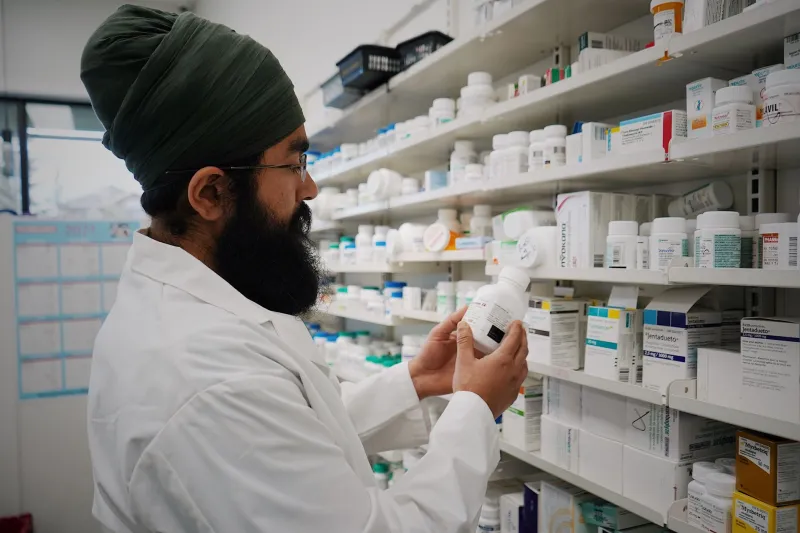
- Find the drug's label. The manufacturer name is printed on the bottle or listed on the pharmacy's receipt and drug information sheet.
- Look up the NDC number — the code on your prescription label. It identifies the specific maker of your specific pill.
- Search the FDA's database. The agency publishes inspection findings, warning letters, and import alerts by facility name. Warning letters are public documents, searchable and readable.
- Check the drug's approval record through the FDA's generic drug database to confirm it's an approved product, not something gray-market.
Red Flags Worth Knowing
- Recalls for the same defect more than once from the same manufacturer — a pattern, not a one-off.
- Facilities under active import alert — if your drug's maker is on the list, ask your pharmacist about an equivalent alternative from a different manufacturer.
- Unusually cheap no-name versions sold through channels that don't require a prescription for prescription drugs. If the sourcing looks sketchy, it is.
- A sudden switch in your pill's appearance without your pharmacist mentioning it — usually just a different generic manufacturer, but worth a question.
My Honest Take on the Trade-Off
Here's where I land, for what it's worth: the price of generics is one of the few genuinely good deals in American healthcare, and it exists largely because of this global manufacturing system. Worrying about foreign manufacturing in the abstract is like worrying about container ships — the alternative isn't a domestic utopia, it's $300 brand-name prescriptions and empty shelves.
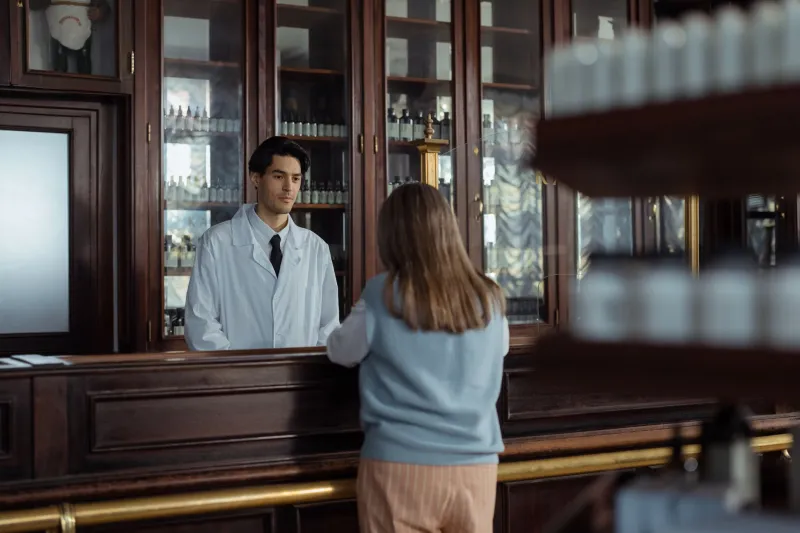
But "good system" and "perfect system" are different claims. The right response isn't avoidance; it's a five-minute lookup, a relationship with a pharmacist who'll answer questions, and awareness that if a facility gets flagged, alternatives exist for nearly every generic on the market.
The $4 pill and the safe pill are, overwhelmingly, the same pill. Knowing where it came from just makes you a smarter customer — and a harder one to scare with a headline.