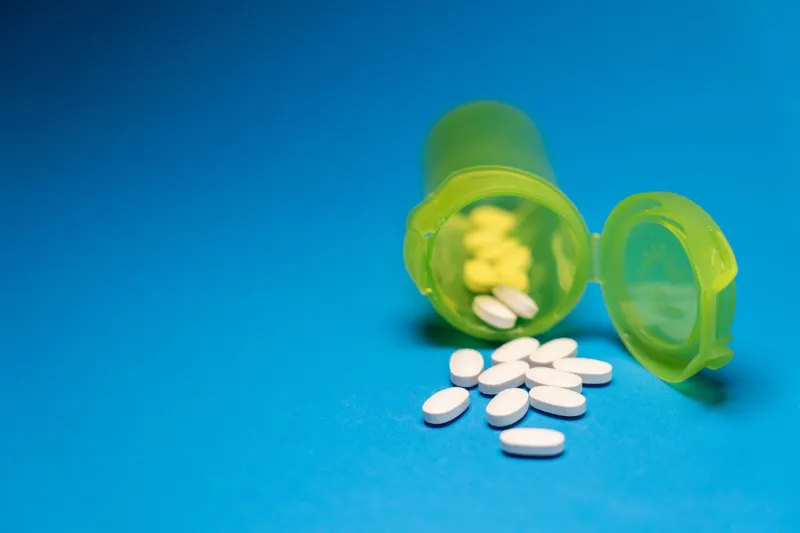
90 Days, Zero Brand Names: My Family's All-Generic Experiment and the $847 We Kept
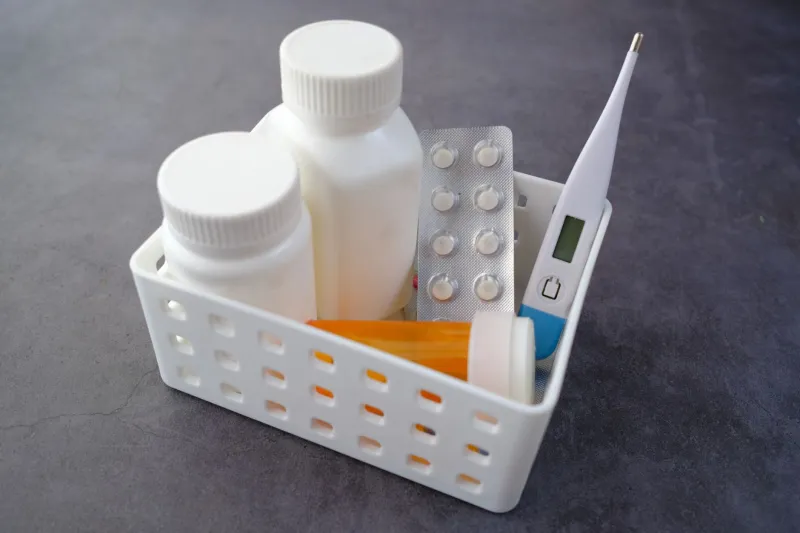
I'll be honest about how this started: my wife opened our medicine cabinet, read three labels out loud, and said, "We are paying premium prices for stickers."
She wasn't wrong. Between my statin, her blood pressure script, our son's allergy meds, and the small pharmacy we run out of the hallway closet every cold season, we were buying brand names out of pure habit. Not research. Not a doctor's order. Habit.
So we made it a game with rules: for 90 days, nothing branded crosses the threshold. Generics only — for prescriptions, over-the-counter stuff, all of it. We tracked every receipt in a spreadsheet my wife named "Operation Same Pill, Less Money," which tells you everything about her sense of humor.
Week One: The Ledger Opens
The first trip was the big one. Atorvastatin generic instead of the brand my old pharmacy kept auto-filling: $12 instead of $68 for the month. Lisinopril: under $10 cash. The kids' cetirizine — the store brand of a store brand, basically — $4 for a two-month supply.
Week one savings: $131. I actually took a photo of the receipt, which my wife found deeply embarrassing.
The OTC haul was where I got schooled. I'd been buying a name-brand acid reducer for years. The generic ran $6. I stood in the aisle comparing boxes for a solid three minutes, waiting for a catch that never showed up.
Week Four: The Pharmacist Pushback (Sort Of)
Here's the thing nobody tells you: pharmacists are mostly delighted when you ask for generics. Our pharmacist, Maria, said the only friction she sees is from patients who insist on the brand after a bad experience decades ago.
She did flag one real caveat worth repeating: for certain narrow-therapeutic-index drugs — thyroid meds, some seizure medications — she recommends staying consistent with whichever generic you start on rather than hopping between manufacturers. Sensible. We wrote it down.
Week Seven: The Side-Effect Question
Around the two-month mark, I got a headache for two days and immediately blamed the generic statin, because that's how brains work. My wife, the scientist of the household, pointed out I'd also slept five hours a night for a week and drunk zero water.
This is where it helps to know what "generic" actually means. A generic has to demonstrate bioequivalence to the brand — same active ingredient, absorbed at a comparable rate and extent. The FDA sets the tolerance band, typically around 80–125% of the brand's bioavailability. In plain English: your body can't meaningfully tell the difference. The pill's look and the inactive fillers can differ, which occasionally matters for people with specific allergies, but the medicine itself is the medicine.
We asked a clinical pharmacist friend, Dev, to sanity-check our experiment. His take: "The overwhelming majority of generic switches are invisible to the patient except on the receipt. The exceptions are rare, predictable, and worth a conversation with your pharmacist — not a reason to avoid generics."
The Final Tally
Ninety days. Total savings versus what we'd have spent on brands and name-brand OTC: $847. That's not a rounding error. That's a vacation fund.
Side effects across the household: none attributable to the switch. Refill hiccups: one, when a store was out of our generic cetirizine and we just grabbed a different manufacturer's version — same drug, same dose, three dollars.
Your Copycat Checklist
If you want to run your own 90-day experiment, here's the exact playbook:
- Inventory the cabinet. List every medication, branded or not. You'll be surprised how many are already generic.
- Ask your pharmacist, not just the internet. For each script, ask: "Is there a generic, and is this a drug where staying on one manufacturer matters?"
- Check your state's generic substitution law. Most states default to substituting automatically unless the prescriber writes "dispense as written."
- Price shop once, not obsessively. Compare your pharmacy's cash price against discount cards for your specific drugs. Ten minutes, once.
- Swap OTC gradually. Replace branded items as they run out rather than tossing everything at once — less waste, same destination.
- Keep a simple ledger. Savings you can see are savings you keep making.
- Flag the exceptions. Narrow-therapeutic-index meds and any history of reactions to fillers — those get a pharmacist conversation first.
What We Kept Doing After Day 90
The experiment ended. The habit didn't. The only branded item left in our house is a first-aid cream my wife swears by, and I've learned to pick my battles.
The biggest change wasn't financial, though the money is real. It was realizing that for years we'd been paying a loyalty tax to logos — and that the people behind the pharmacy counter were more than happy to help us stop.