When Drug Shortages Actually Work in Your Favor: The Price Wars Happening Right Now
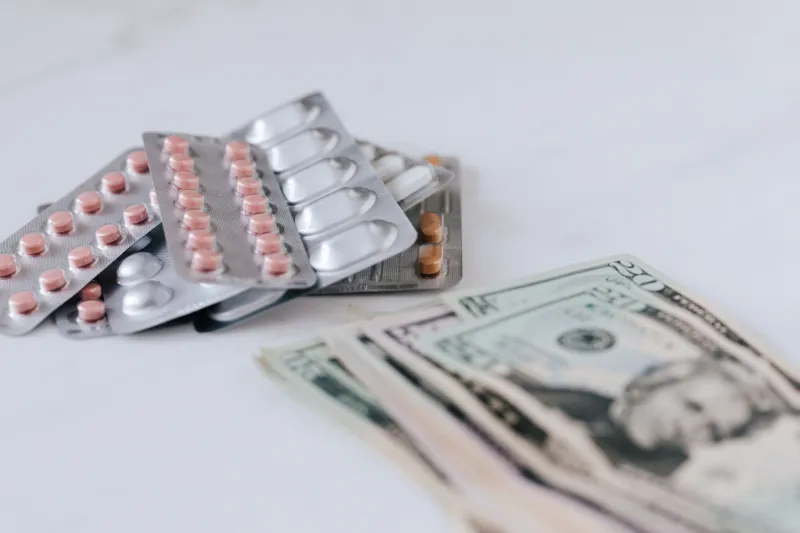
Here's something nobody in the pharmaceutical industry wants you to fully understand: not every drug shortage is a disaster for patients. Some of them — and this is the part that sounds almost too weird to be true — actually trigger a price war that puts money back in your pocket.
Stick with us, because this gets interesting.
The Counterintuitive Economics of Generic Shortages
The generic drug market runs on competition. When ten manufacturers are producing the same molecule, prices stay low because everyone's fighting for shelf space. But when a shortage hits — say, a key ingredient supplier goes offline, or an FDA inspection shuts down a major facility — the dynamics shift fast.
Here's where it gets counterintuitive: if a shortage affects some manufacturers but not all of them, the remaining players suddenly have a captive audience. And in a competitive market, that can mean two very different outcomes depending on the drug.
For essential medications with limited alternatives, prices can spike. That's the bad version, and it gets the headlines.
But for drugs in categories where multiple generics still exist — just fewer of them — surviving manufacturers sometimes drop prices aggressively to capture market share before competitors recover. They'd rather sell ten million units at a slim margin than let a rival scoop up hospital and pharmacy contracts.
The result? Patients and pharmacies can find unexpectedly low prices on certain generics right now, precisely because of the supply disruption.
Which Drug Categories Are Seeing This Effect?
According to recent FDA shortage data and pharmacy purchasing reports, a few categories are particularly active right now in terms of price competition:
Generic antibiotics — amoxicillin, azithromycin, and certain cephalosporins have seen fluctuating supply, but the manufacturers still in the game have been undercutting each other to lock in pharmacy contracts. If your doctor writes you a script for a common antibiotic, it's worth price-shopping aggressively right now.
ADHD medications — the stimulant shortage that made headlines in 2022 and 2023 has partially eased, but not evenly. Some formulations remain tight while others have flooded back into the market. Generic amphetamine salts in particular have seen price drops at certain retailers as manufacturers try to recapture lost customers.
Generic cardiovascular drugs — lisinopril, metoprolol, and amlodipine are perennial shortage watchlist items due to their high demand and thin manufacturing margins. When supply tightens and then partially recovers, the price resets can be dramatic.
Diabetes medications — the oral generic market (metformin variants, for example) has seen competitive pricing pressure as insulin attention has pulled focus away from this category.
None of this means you should count on a shortage to save money. But if you're already taking one of these medications, right now might be the time to check your price.
How to Tell If a Shortage Is Helping or Hurting You
This is the part that actually requires a little homework, but it's not complicated.
Step one: Check the FDA shortage database. The FDA maintains a public list of current drug shortages at accessdata.fda.gov. Look up your medication. If it's listed, note how many manufacturers are affected. One manufacturer down out of eight? Probably a competitive pricing opportunity. Seven out of eight? That's a supply crisis — expect price spikes and potential unavailability.
Step two: Compare prices across multiple sources. Use tools like GoodRx, RxSaver, or check directly with online pharmacies. If prices are all over the place for the same generic, that's a signal the market is in flux — and you can benefit from that chaos by grabbing the low end.
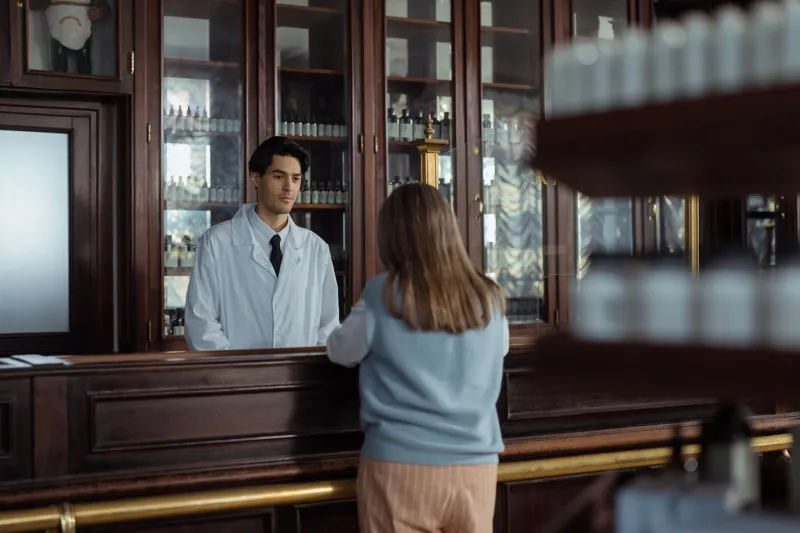
Step three: Ask your pharmacist what's in stock. This is underused advice. Your pharmacist knows exactly which manufacturers' versions they're carrying this week. If they're stocking a brand you haven't heard of, that often means a manufacturer is pushing product aggressively — which usually means lower cost at the counter.
Step four: Watch for manufacturer coupons and direct programs. When a generic manufacturer is trying to rebuild market share after a shortage, they sometimes offer direct savings programs or rebates through pharmacies. These don't always get advertised loudly, but a quick search for your drug name plus "manufacturer savings" or "patient savings card" can turn up real money.
Locking In Low Prices Before the Market Shifts
Here's the uncomfortable truth: shortage-driven price dips are temporary. Once supply normalizes and competition levels out, prices often drift back up. So if you're on a maintenance medication and you're seeing a genuinely low price right now, there are a few ways to lock it in.
Ask for a 90-day supply. Most insurance plans and discount programs allow 90-day fills. If you're seeing a good price today, filling a 90-day supply essentially banks that savings for three months.
Use a fixed-price discount program. Some online pharmacies and discount programs lock in prices for members rather than floating them with market conditions. If you find a price you like, look for a subscription or membership option that holds it.
Talk to your doctor about therapeutic alternatives. If the drug you need is in a shortage-driven price spike (the bad version), ask whether a closely related generic in the same drug class is available at a lower cost. Doctors deal with this regularly and most are happy to work with you.
Set a price alert. GoodRx and similar tools let you set alerts when a drug's price drops at pharmacies near you. It's a passive way to catch the bottom of a price swing without constantly checking.
The Bigger Picture
Drug shortages are a systemic problem in the U.S. pharmaceutical supply chain — one that experts have been warning about for years without much policy response. The generic drug market runs on razor-thin margins, which means manufacturers are constantly making decisions about which drugs are worth producing at all. When one facility goes offline, the ripple effects can be significant.
But within that messy system, there are real opportunities for patients who know where to look. The shortage nobody's talking about on the evening news might be the exact reason your generic is 40% cheaper this month than it was six months ago.
At GenericMeds Direct, we spend a lot of time thinking about where the deals are hiding — because in a market this complicated, they're rarely obvious. Shortages are just one more place where, if you're paying attention, the system occasionally works in your favor.
Check your prices today. The market won't stay this way forever.