Mail-Order Generics Are Beating Retail Pharmacies by 60% — Here's the Mechanism Behind the Madness
Let's be honest: most of us just pull up to the drive-through window, hand over our insurance card, and pay whatever number appears on the screen. It feels automatic. Routine. Safe.
But that autopilot is costing you serious money — sometimes hundreds of dollars a year — and it's completely avoidable once you understand what's actually happening behind the scenes.
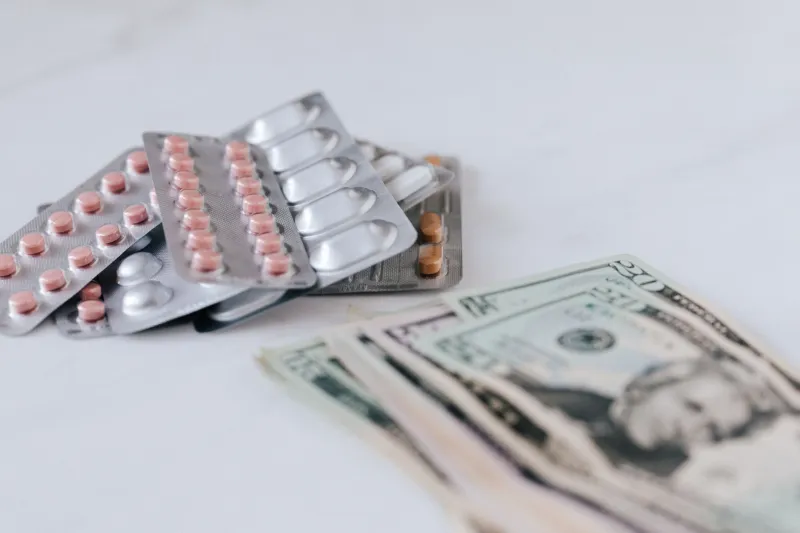
Mail-order generic pharmacies are routinely undercutting brick-and-mortar retail chains by 40% to 60% on the same medications. Not different formulations. Not off-brand knockoffs. The exact same FDA-approved generic drugs. So why the enormous gap? The answer comes down to overhead, volume, and a business model that retail chains simply can't replicate.
The Overhead Problem That Retail Pharmacies Can't Escape
When you walk into a chain pharmacy, you're paying for a lot more than your pills. You're subsidizing the real estate lease in a high-traffic shopping center, the staff behind the counter, the point-of-sale systems, the store lighting, and the loss-leader strategy of selling greeting cards and snacks at the front.
Mail-order pharmacies operate on a fundamentally different cost structure. No prime retail real estate. Fewer customer-facing staff. Centralized fulfillment centers that process thousands of prescriptions a day with streamlined automation. When those operational savings get baked into pricing, the numbers shift dramatically in your favor.
A 90-day supply of metformin — one of the most commonly prescribed diabetes medications in the country — can run you $15 to $25 at a major retail chain. The same supply through a reputable mail-order generic pharmacy? Often under $8. That's not a rounding error. That's a structural pricing advantage.
Bulk Purchasing Power Nobody Talks About
Here's where it gets really interesting. Mail-order pharmacies that specialize in generics are often buying medication in significantly higher volumes than individual retail locations. They're negotiating directly with manufacturers, sometimes bypassing the traditional wholesale distribution chain entirely.
Retail chains buy through wholesalers — large distributors that add their own margin before the drug ever reaches your local pharmacy shelf. Mail-order operations that move enough volume can cut out one or more layers of that supply chain. The savings from that kind of direct sourcing don't disappear into a corporate profit center. At least the good ones pass them along to customers who are, frankly, shopping on price.
This is the same logic that made warehouse clubs work for groceries. Buy in bulk, sell at thinner margins, build loyalty through consistent savings. Generics are a perfect product for this model because they're commoditized — the active ingredient is identical regardless of who fills your bottle.
What About Shipping? Is the Wait Actually a Problem?
This is the objection we hear most often, and it's worth addressing head-on. Yes, you're waiting for a package rather than picking up a bag at a counter. For people managing acute, short-term prescriptions — an antibiotic, a short course of steroids — mail-order probably isn't the right fit.
But here's the thing: the overwhelming majority of Americans on long-term generic medications are managing chronic conditions. Hypertension. High cholesterol. Type 2 diabetes. Thyroid disorders. These are maintenance medications that people take every single day, indefinitely. The idea that you need same-day access to your blood pressure pill is mostly a habit of thinking, not a genuine medical necessity.
Most reputable mail-order pharmacies offer standard shipping windows of 3 to 7 business days, with expedited options available. If you're ordering a 90-day supply and you set a calendar reminder to reorder when you hit the 30-day mark, you will never run out. The logistics are genuinely not complicated once you build the habit.
Some mail-order platforms have also integrated with apps that send automatic refill reminders and even auto-ship programs. The convenience argument, which used to favor retail, has largely evaporated.
How Insurance Coordination Actually Works With Mail-Order
Here's where people get confused, and understandably so. Your health insurance plan might already have a preferred mail-order pharmacy built into your benefits — and if it does, your copays for 90-day supplies through that channel could be lower than what you'd pay for three separate 30-day fills at retail.
But it gets more nuanced. Some plans actually penalize you for using retail for maintenance medications after the first couple of fills. They'll increase your copay specifically to push you toward mail-order. Check your plan's Summary of Benefits and Coverage document — it's usually a PDF buried somewhere in your insurer's member portal — and look for language around "maintenance medication" or "specialty pharmacy" tiers.
If your insurance doesn't have a preferred mail-order option, or if you're uninsured or underinsured, independent generic mail-order pharmacies can still beat your in-network retail copay on a straight cash-pay basis. That sounds counterintuitive, but it happens more often than you'd think, especially for generics that have hit true commodity pricing.
The Quality Question (And Why It's Already Been Answered)
Some people worry that cheaper automatically means lower quality. It's a reasonable instinct in many consumer categories. But with FDA-regulated generic medications, it's not how the system works.
Every generic drug sold in the United States — whether it comes from a mail-order fulfillment center or your corner Walgreens — has to meet the same bioequivalence standards set by the FDA. The active ingredient, the dosage, the absorption rate: all of it has to perform within a narrow margin of the brand-name original. Mail-order generics aren't a different product. They're the same product in a different delivery model.
Legitimate mail-order pharmacies operating in the US are licensed, regulated, and subject to state and federal pharmacy laws. When you're evaluating a mail-order option, look for NABP (National Association of Boards of Pharmacy) accreditation — specifically the ".pharmacy" domain verification or VIPPS (Verified Internet Pharmacy Practice Sites) designation. These credentials confirm you're dealing with a legitimate operation, not a gray-market importer.
Making the Switch Without the Headache
Switching your routine medications to mail-order is easier than most people expect. Here's the short version:
Step 1: Identify which of your current medications are long-term, maintenance generics. These are your best candidates.
Step 2: Contact your mail-order pharmacy of choice and have them request the transfer from your current pharmacy, or ask your doctor to send a new 90-day prescription directly to the mail-order provider.
Step 3: Keep a small backup supply during the transition — just in case of shipping delays or any hiccups in the transfer process.
Step 4: Set a refill reminder. Seriously, put it in your phone right now.
The hardest part of this switch is inertia. Retail pharmacy has the advantage of familiarity. But once you see the first price comparison on your 90-day generic supply, that familiarity starts feeling a lot less comfortable.
The markup at the retail counter isn't there because chain pharmacies are evil. It's there because their cost structure demands it. Mail-order generics have a different cost structure — and that difference belongs in your pocket, not theirs.