Free at the Counter: The Loss-Leader Generics Pharmacies Practically Give Away
Quick question: when was the last time a grocery store sold you rotisserie chicken at a loss on purpose?
If you've ever wondered why every supermarket has that smell of seasoned chicken near the entrance, you already understand the business model behind this article. Loss leaders — items sold below cost to get you in the door — are one of retail's oldest tricks. Pharmacies play the same game, except their loss leaders are some of the most-prescribed medications in the country.
The $4 List Is a Real Thing (And Some Drugs Are Free-er Than Free)
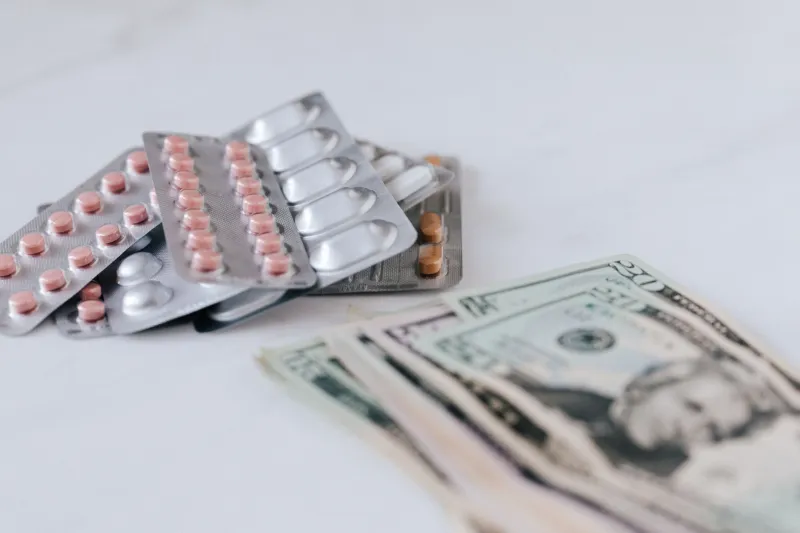
Most major chains maintain discounted generic programs, often called "$4 lists" after the famous price point. The mechanics are simple: a set menu of common generics available at a flat cash price, usually for a 30-day supply, with a 90-day option often around $10.
And some go further. Several chains offer select generics — think certain antibiotics and blood pressure meds — at zero cost with no insurance billed. Yes, free. The pharmacy eats the cost because you, standing at that counter, are worth more than the pill.
The Usual Suspects
The drugs on these lists read like a greatest-hits album of American prescriptions:
- Metformin (type 2 diabetes) — the poster child of the $4 list, often available for 90 days at $10 or less
- Lisinopril (blood pressure) — frequently on free-drug menus at multiple chains
- Atorvastatin (cholesterol) — commonly under $10 for months at a time
- Amlodipine (blood pressure) — a staple of every discounted list
- Amoxicillin and other common antibiotics — the classic free-item bait
- Fluoxetine and sertraline (antidepressants) — often $4–$10 cash
- Levothyroxine (thyroid) — usually on the cheap list, sometimes free
Why Would a Pharmacy Do This?
Three reasons, in ascending order of cynicism:
- Foot traffic. You came in for free lisinopril; you leave with cough drops and a candy bar.
- Script count. Pharmacies get paid partly on volume and front-end sales tied to prescriptions. Your $0 fill makes the store's numbers look better.
- Loyalty. Once your prescriptions live at one pharmacy, moving them is a hassle. Cheap generics are the hook; your refills are the line.
None of this is a secret conspiracy. It's printed on their websites.
How to Stack It: Cash Price + Program, No Insurance Needed
Here's where people leave money on the table. You don't have to choose between your insurance copay and these programs — in many cases, the cash price through a store program beats your copay outright. The play:
- Ask for the cash price on your generic before handing over insurance. Compare it to your copay.
- Check two or three chains' lists for your specific drugs. Lists differ, and they change.
- Use a 90-day fill through the store program when available — the per-month price usually drops further.
- Layer a discount card on top when the store list doesn't cover your drug. Discount cards negotiate their own cash prices and can beat both the list and your copay.
- Tell the pharmacy you're paying cash. They can run it that way; just be aware cash payments generally don't count toward your deductible.
Your Cheat Sheet
Before your next refill, spend ten minutes on this:
- Pull up the discounted generic program pages for the big national chains near you (most are easy to find by searching the chain name plus "generic drug list" or "$4 list")
- Write down which of your meds appear on each list and at what price
- Note which chains offer free items and whether a 90-day option exists
- Call one pharmacy and ask the magic question: "What's your best cash price for [drug] without insurance?"
One Honest Caveat
These lists cover a few hundred drugs out of thousands. If your medication isn't on them, don't despair — the discount card route from our earlier coverage still applies, and cash prices vary wildly between pharmacies for the exact same pill.
But if you take metformin, lisinopril, or atorvastatin — and tens of millions of Americans do — and you're still paying a copay for them, you're tipping a pharmacy that already got your chicken smell money. Take the free pill. They'd do the same to you.